Top Programming Languages Dominating 2026
In 2026, the programming landscape continues to evolve rapidly, driven by AI integration, cloud-native development, performance demands, and the need for secure, scalable systems. From dominating AI and data science to powering web apps, enterprise backends, and emerging high-performance needs, certain languages stand out for their versatility, job demand, community support, and future-proof qualities.
At Asian IT, as a full-service software development company, we build solutions using the most relevant languages for custom websites, mobile apps, desktop software, and intelligent business tools. This blog highlights the most important programming languages in 2026 — based on current trends from TIOBE Index (February 2026), recruiter demand, Stack Overflow insights, and industry adoption — and explains why they matter for businesses and developers worldwide.
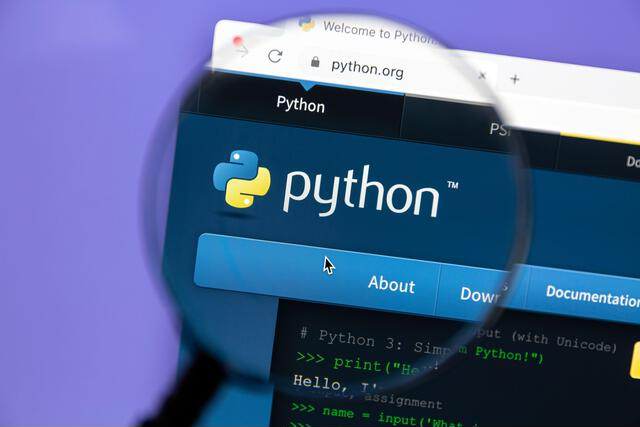
1. Python – The Undisputed Leader for AI, Data, and Versatility
Python remains #1 globally (TIOBE ~21.81% share), with its dominance fueled by explosive growth in AI/ML, automation, data analysis, and rapid prototyping.
- Why it’s essential in 2026: Massive ecosystem (PyTorch, TensorFlow, Pandas) for AI-driven features; simplicity speeds development; perfect for data analysis services, business intelligence, and intelligent reports.
- Use cases: Backend APIs, automation scripts, ML models, data visualization.
- For businesses: Enables fast iteration and AI integration in custom software.
- Demand: Highest recruiter interest; ideal starting language.
At Asian IT, Python powers many of our intelligent business solutions and backend systems.
2. JavaScript / TypeScript – The Backbone of Modern Web and Full-Stack Development
JavaScript holds steady as the web’s core language, while TypeScript (its typed superset) has become the default for scalable, maintainable frontends and full-stack apps.
- Why it’s essential in 2026: Powers nearly every interactive website/app; TypeScript adds type safety for large projects; huge in React, Node.js, Next.js ecosystems.
- Use cases: Frontend (React/Vue), backend (Node), mobile (React Native), full-stack SaaS.
- For businesses: Delivers responsive, high-performance web apps and cross-platform experiences.
- Demand: Consistently top-used; TypeScript surges in enterprise adoption.
Our website development and mobile app projects heavily rely on JavaScript/TypeScript for intuitive, modern interfaces.
3. Java – The Evergreen Choice for Enterprise and Scalable Systems
Java stays in the top 5 (TIOBE ~8%), thriving in large-scale, secure, cross-platform enterprise environments.
- Why it’s essential in 2026: Rock-solid for backend services, Android apps, big data (Hadoop/Spark), and long-term maintainability.
- Use cases: Enterprise software, financial systems, cloud microservices.
- For businesses: Offers stability, vast libraries, and strong performance in mission-critical apps.
- Demand: High in corporate hiring, especially for backend roles.
We use Java for robust desktop software and enterprise integrations.
4. C# – Rising Star for Enterprise, Gaming, and Cross-Platform
C# climbs steadily (TIOBE top 5), boosted by .NET ecosystem advancements and Unity for games.
- Why it’s essential in 2026: Excellent for Windows/desktop apps, web (Blazor), cloud (Azure), and cross-platform via .NET MAUI.
- Use cases: Business applications, games, enterprise tools.
- For businesses: Fast development with strong tooling and integration.
- Demand: Growing fast, especially in Microsoft-centric environments.
Asian IT leverages C# for reliable desktop software and business applications.
5. C / C++ – Timeless for Performance-Critical and Systems Work
C and C++ rank high (TIOBE #2 and #3), essential where speed and low-level control matter.
- Why it’s essential in 2026: Powers operating systems, embedded/IoT, games engines, high-frequency trading, and performance bottlenecks.
- Use cases: Firmware, real-time systems, AAA games.
- For businesses: Critical for hardware-close or ultra-efficient software.
- Demand: Steady in specialized, high-pay roles.
We apply C++ expertise in optimized, high-performance components.
6. Go (Golang) – The Go-To for Cloud, Microservices, and Efficiency
Go surges in popularity for modern backend and cloud-native development.
- Why it’s essential in 2026: Simple, fast compilation, excellent concurrency; built for scalability (Kubernetes, Docker written in Go).
- Use cases: APIs, microservices, cloud tools.
- For businesses: Handles massive scale with low resource use.
- Demand: High growth in DevOps/cloud roles.
Ideal for scalable backends in our custom software solutions.
7. Rust – The Rising Star for Safety and Performance
Rust continues its climb as the “most admired” language (Stack Overflow), prized for memory safety without garbage collection.
- Why it’s essential in 2026: Eliminates common bugs; replaces C/C++ in secure systems, WebAssembly, blockchain.
- Use cases: Systems programming, CLI tools, embedded.
- For businesses: Builds ultra-secure, high-speed software.
- Demand: Premium pay in security-critical fields.
We explore Rust for next-gen, secure components.
Emerging & Specialized Mentions
Kotlin/Swift → Dominant for Android/iOS mobile apps. SQL → Essential for data analysis and reports. Rust/Go/Zig → Growing for performance niches.
Conclusion: Choose Languages That Align with Your Goals
In 2026, no single language rules everything—the best choice depends on your domain: Python for AI/data, TypeScript/JavaScript for web, Java/C# for enterprise, Go/Rust for cloud/performance.
At Asian IT, our team masters these languages to deliver custom websites, mobile apps, desktop software, digital marketing tools, and intelligent business solutions that drive real results for clients worldwide.
Whether you’re a developer upskilling or a business seeking cutting-edge tech, focus on these languages to stay ahead.
Ready to build with the right stack? Contact Asian IT for expert software development services tailored to 2026 trends.