From Wireframes to Visual Language: The UI/UX Design Journey in 2026
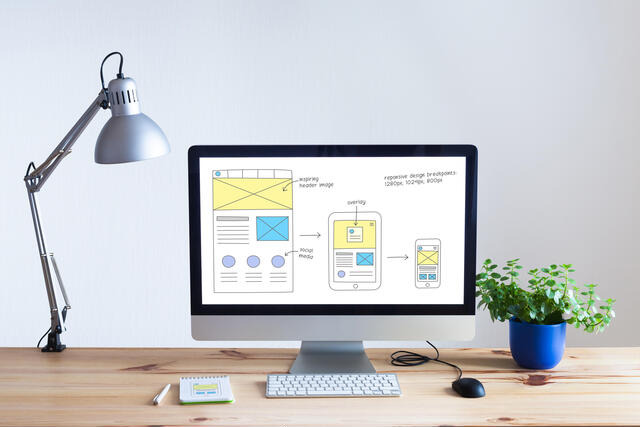
In the fast-evolving world of digital products, the path from initial sketches to a polished, brand-aligned interface is more strategic than ever. Wireframes serve as the foundational blueprint — focusing on structure, flow, and usability — while visual language brings the design to life with color, typography, imagery, motion, and emotional resonance. This transition is where functionality meets personality, turning a functional product into a memorable brand experience.
At Asian IT, our website development and UI/UX design process bridges this gap seamlessly for clients worldwide. We craft intuitive, high-performance interfaces that captivate users and drive business results. In this blog, we’ll walk through the step-by-step journey from wireframes to visual language, highlight 2026 trends shaping the process, and show how our expertise helps businesses create standout digital experiences.
Step 1: Starting with Wireframes — The Structural Foundation
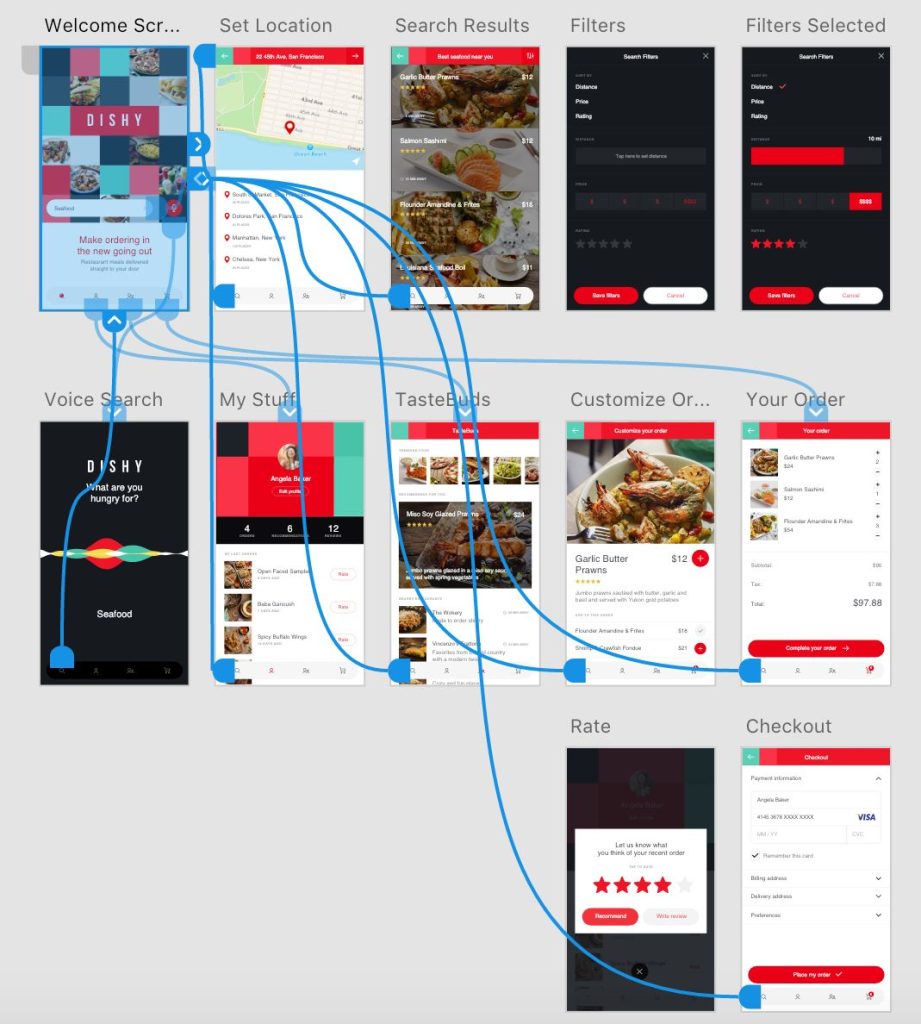
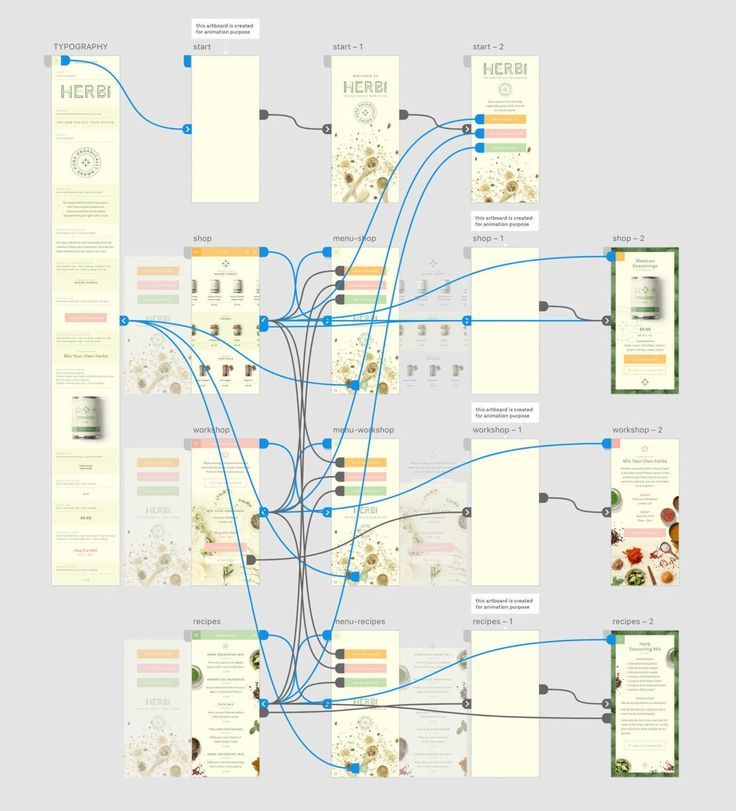
Wireframes are low-to-mid-fidelity blueprints that prioritize layout, hierarchy, navigation, and user flows without the distraction of colors or detailed visuals. They answer critical questions: Where does content live? How do users move through the interface? What elements guide attention?
- Low-fidelity wireframes (sketches or basic digital boxes) focus on core structure and quick iteration.
- Mid-fidelity adds annotations, content placeholders, and basic interactions for stakeholder feedback.
In 2026, tools like Figma, Visily, or AI-assisted wireframing speed this up, allowing real-time collaboration and auto-layout suggestions. Wireframes remain essential — they keep discussions focused on UX before aesthetics, saving time and revisions later.
Step 2: Transitioning to High-Fidelity Prototypes and Mood Boards
Once wireframes are validated through user testing or stakeholder reviews, the design shifts toward visual direction. This is where mood boards come in:
- Collect inspirations: Colors, typography, textures, imagery styles, and micro-interactions.
- Define emotional tone: Calm and professional? Bold and energetic? Minimalist and futuristic?
2026 trends emphasize human-centered imperfection: tactile textures, organic shapes, exaggerated playful typography, and “imperfect by design” elements that feel authentic rather than overly polished. AI tools assist in generating mood variations quickly, but human creativity refines them to align with brand identity.
Step 3: Building the Visual Language — Core Elements That Define Your Brand
Visual language is the cohesive system of design choices that makes your interface instantly recognizable and emotionally resonant. Key components include:
- Color Palette: Vibrant maximalism or soft, resonant stark schemes; gradients for depth; nature-inspired tones for calmness.
- Typography: Exaggerated, playful letters; large, bold hierarchies; mix of serifs and sans for contrast.
- Imagery & Icons: Surreal/absurdist illustrations, freehand drawings, light skeuomorphism, or immersive 3D elements.
- Motion & Micro-Interactions: Subtle animations, responsive 3D that “feels alive,” experimental navigation.
- Layout & Composition: Organic/anti-grid layouts, bento grids, tactile maximalism, frosted glass effects.
These elements create consistency across pages, reinforcing brand trust and improving user satisfaction.
Step 4: Applying Visual Language to High-Fidelity Designs
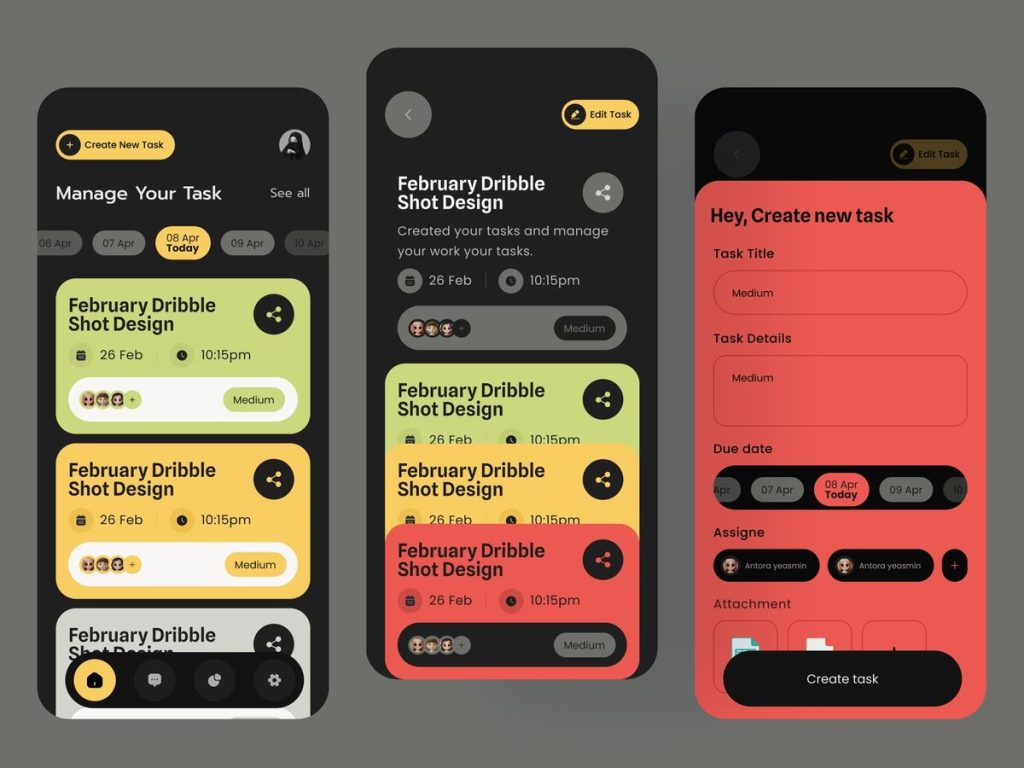
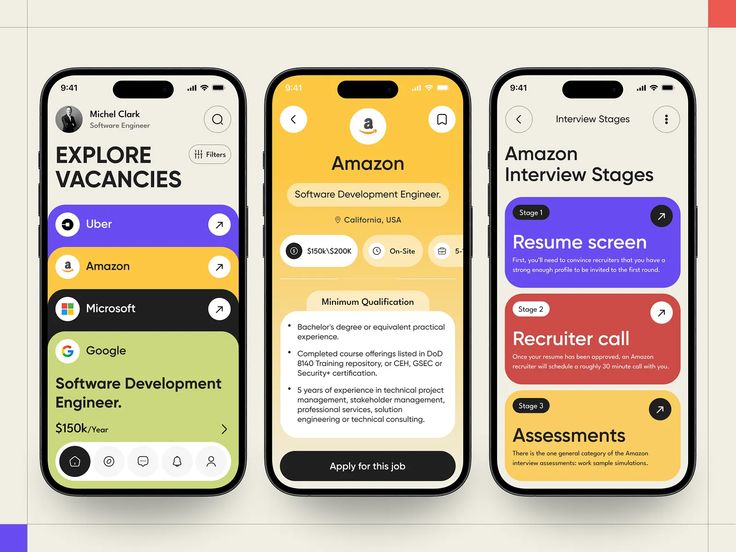
With the system defined, apply it to wireframe layouts:
- Replace placeholders with styled components.
- Incorporate trends like immersive 3D, AI-personalized elements, or dial-up delight retro vibes.
- Ensure accessibility: High contrast, scalable text, inclusive imagery.
- Prototype interactions: Test animations, hover states, and responsive behaviors.
Iterate with user testing — tools like Figma prototypes or Framer help validate emotional impact.
Step 5: Final Polish and Handoff — From Design to Development
Hand off to developers with:
- Design system documentation (components, tokens, guidelines).
- Assets and specs.
- Motion guidelines.
In 2026, AI-assisted handoff tools streamline this, reducing errors and accelerating launch.
Why This Journey Matters for Business Success
Skipping from wireframes straight to visuals risks misaligned expectations and costly rework. A thoughtful progression ensures:
- User-Centric Results — Usability first, beauty second.
- Brand Consistency — Strong visual language builds recognition.
- Faster Time-to-Market — Structured process minimizes revisions.
- Higher Engagement — Trend-aligned designs (immersive, tactile, personalized) captivate 2026 users.
At Asian IT, we guide clients through this full process — from wireframing to visual mastery — using modern tools and trends like organic shapes, AI enhancements, and maximalist energy. Whether building websites, apps, or dashboards, we create interfaces that perform and inspire.
Conclusion: Master the Transition for Standout Digital Products
From skeletal wireframes to a rich, cohesive visual language, this journey defines exceptional design in 2026. Embrace trends like tactile maximalism, playful typography, and immersive elements while keeping usability at the core.
Ready to transform your wireframes into a powerful visual identity? Contact Asian IT — your partner in UI/UX design, website development, and custom software — for a free consultation. Let’s craft digital experiences that resonate globally.
Build interfaces that don’t just work — they wow. Reach out today!